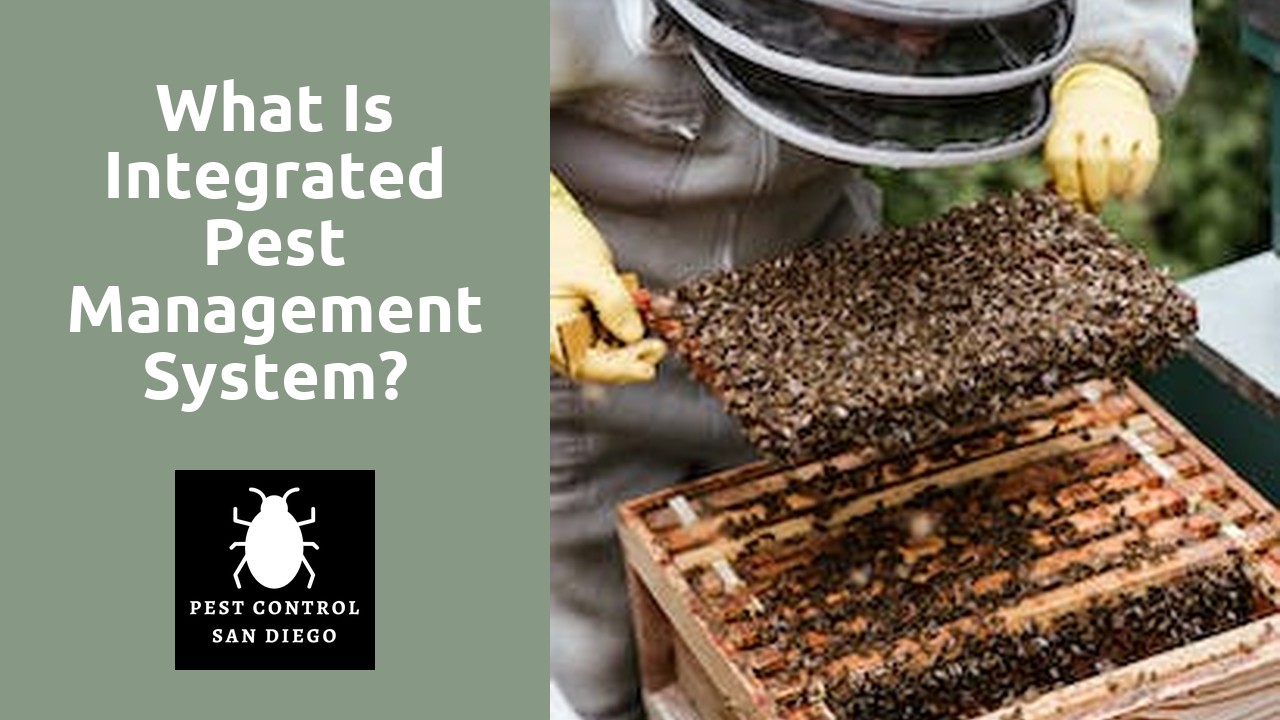
What is integrated pest management system?
Introduction
Integrated pest management (IPM) is a system of managing pests that uses a combination of cultural, mechanical, and chemical methods. IPM is used to control pests in crops and in the home, and is an important part of sustainable agriculture.
Definition of Integrated Pest Management System
Integrated pest management system (IPM) is a system that uses a variety of tactics to manage pests. These tactics can include using pesticides, using natural enemies, and using management practices. IPM is most effective when it is used as a whole system, and it should be used in conjunction with other pest management strategies.
Benefits of an Integrated Pest Management System
Integrated pest management systems (IPMS) are a way to manage pests more effectively by integrating pest control methods into your farming or ranching operation. By using multiple methods to control pests, you can reduce the use of pesticides and other harmful chemicals, and improve your crop production. There are many benefits to using an IPMS, including: - Reduced use of harmful chemicals: By using multiple methods to control pests, you can reduce the use of pesticides and other harmful chemicals. - Improved crop production: By using an IPMS, you can improve your crop production by reducing the number of pests and diseases that affect your crops. - Reduced costs: Using an IPMS can reduce the costs of pest control, which can save you money in the long run.
Cost Savings
Integrated pest management systems (IPMS) are a way to manage pests more effectively and reduce the cost of pest control. IPMS systems use a variety of techniques to control pests, such as using pesticides, using natural enemies, and using sanitation methods. Integrated pest management systems are often more effective than using only one method of pest control.
Reduced Environmental Impact
Reduced environmental impact is a major goal of integrated pest management systems (IPMS). An IPMS is a system that uses a variety of methods to control pests and minimize their impact on the environment. One of the most important methods of an IPMS is using pesticides that are less harmful to the environment.
Improved Quality of Life
Integrated pest management systems (IPMS) are a way to improve the quality of life for people who live in areas that are prone to pests. IPMS involves using a variety of methods to control pests, including using pesticides, using natural methods such as predators and parasites, and using combinations of methods.
Components of an Integrated Pest Management System
An Integrated Pest Management System (IPMS) is a comprehensive, coordinated approach to managing pests that includes the use of pesticides, biological controls, and other methods. IPMS is designed to improve pest management effectiveness and reduce the use of pesticides.
Monitoring
Integrated pest management systems (IPMS) are a way to manage pests and diseases in a crop production setting. They involve using a variety of methods to control pests and diseases, and are typically used in conjunction with other management practices, such as crop rotation and fertilization. IPMS can be used to manage a wide variety of pests and diseases, and can be tailored to specific production conditions.
Prevention
Integrated pest management systems (IPMS) are a way to manage pests and their diseases in a way that benefits both the pest and the environment. IPMS involves using a variety of methods to control pests, including using pesticides, using natural enemies, and using sanitation and hygiene measures.
Control
Integrated pest management systems (IPMS) are a way to manage pests using a combination of techniques. These systems allow for the use of different methods to control pests, depending on the situation. This allows for more effective and efficient control of pests.
Examples of Integrated Pest Management Systems
Integrated pest management systems (IPMS) are a way to manage pests and their habitats using a combination of techniques. These systems use a variety of tools, including pesticides, traps, and monitoring devices, to control pests. IPMS is a more effective way to manage pests because it uses a variety of methods to control them, rather than relying on just one.
Homeowners
Integrated pest management systems (IPMS) are a way to manage pests in a home by using a combination of different methods. This system allows homeowners to use a variety of methods to control pests without having to use multiple products or resort to using harsh chemicals.
Commercial Businesses
Integrated pest management systems (IPMS) are a way to manage pests and diseases in commercial businesses. IPMS involves using a variety of techniques to control pests and diseases, including using pesticides, using natural enemies, and using sanitation and hygiene measures.
Agriculture
Integrated pest management systems (IPMS) are a way to manage pests and diseases in a crop production setting. They involve using a variety of tactics to prevent or control pests and diseases, including using pesticides, using natural enemies, and using crop rotation.
Conclusion
Integrated pest management systems (IPMS) are a way to manage pests and their diseases using a coordinated approach that includes monitoring, treatment, and prevention. IPMS is a more effective way to manage pests because it allows for early detection and treatment of pests, which can prevent the spread of pests and their diseases.
Summary of Integrated Pest Management System
Integrated pest management system (IPM) is a system that uses multiple methods to control pests. IPM is most effective when it is used in combination with other pest control methods. IPM is most effective when it is used in combination with other pest control methods.
Benefits of Implementing an Integrated Pest Management System
Integrated pest management systems (IPMS) are a way to manage pests more effectively by integrating pest control methods into your overall farming and ranching operation. By using multiple methods to control pests, you can reduce the need for chemical pesticides and other harmful chemicals. Integrated pest management systems also help to protect your crops and livestock from harmful pests and diseases.
Related Links
What should a pest management plan contain?What are the 3 basic rules to IPM program?