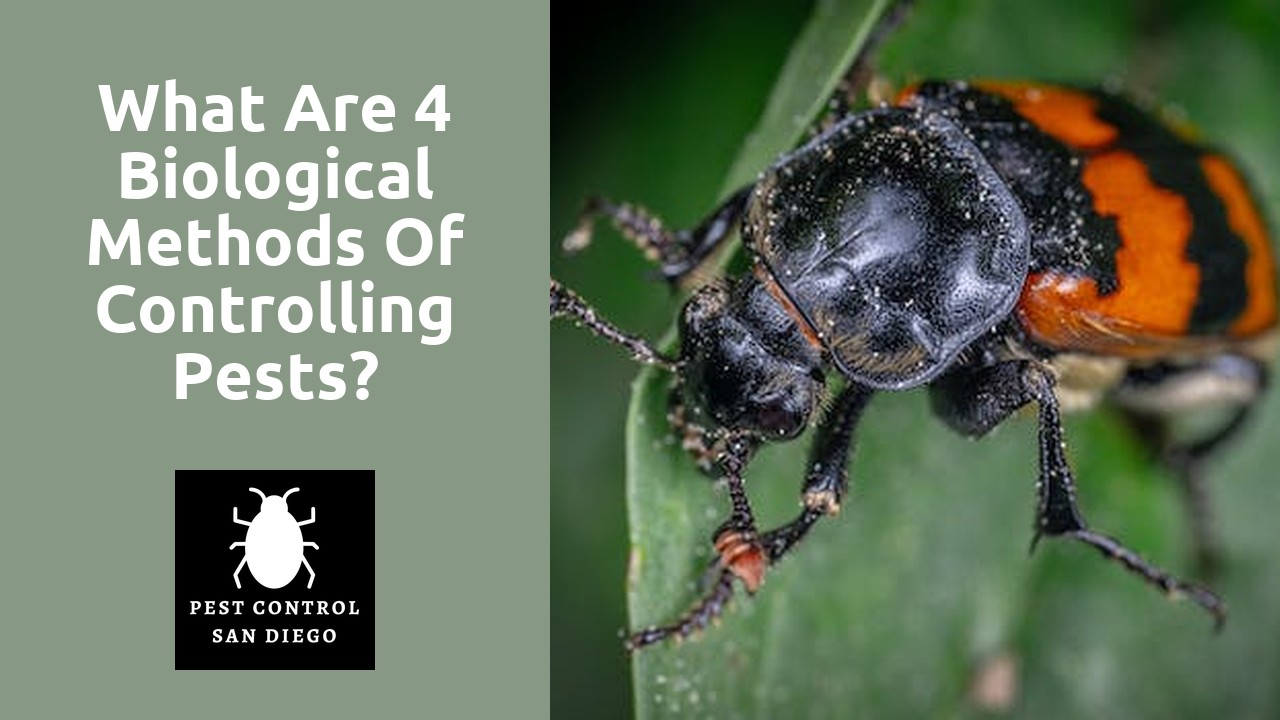
What are 4 biological methods of controlling pests?
Introduction
There are four main biological methods of controlling pests: trapping, natural enemies, repellents, and herbicides. Trapping is the most common and simplest method, where pests are trapped in a device and killed. Natural enemies are organisms that prey on pests, and repellents are chemicals that make pests stay away. Herbicides are chemicals that kill plants, and are used to control pests.
Definition of Pests
There are many different types of pests that can affect a home or business, and it can be difficult to determine which method is the most effective in controlling them. Biological control is a popular option because it uses natural methods to control pests without harming the environment. Four biological methods of controlling pests are: predator/prey relationships, parasitism, competition, and herbivory.
Overview of Biological Methods of Controlling Pests
There are four main biological methods of controlling pests: natural, mechanical, chemical, and biological. Natural methods include repelling and exclusion, while mechanical methods include traps and barriers. Chemical methods use pesticides to kill pests, while biological methods use biological agents to control pests.
Biological Method #Natural Predators
There are many different biological methods of controlling pests, but four of the most common are: predator insects, parasitic wasps, bacteria, and fungi. Each of these methods has its own advantages and disadvantages, but all are effective in controlling pests.
Description of Natural Predators
There are many natural predators that can help control pests. Predators include spiders, wasps, ants, and beetles. Biological methods of controlling pests include using pesticides, using traps, and using natural enemies.
Benefits of Using Natural Predators
There are many benefits to using natural predators to control pests. Biological methods of controlling pests are effective, environmentally friendly, and often less expensive than using chemical pesticides. Four biological methods of controlling pests are predator release, biological control, Integrated Pest Management, and habitat modification.
Biological Method #Parasitic Insects
There are four main biological methods of controlling pests: natural methods, chemical methods, mechanical methods, and biological methods. Natural methods include using predators or parasites to control pests. Chemical methods use chemicals to kill pests. Mechanical methods use tools to damage or destroy pests. Biological methods use living organisms to control pests.
Description of Parasitic Insects
There are many parasitic insects that can cause problems for humans and crops. Biological methods of controlling pests include using pesticides, using natural enemies, and using crop rotation.
Benefits of Using Parasitic Insects
There are many benefits to using parasitic insects to control pests. Biological methods of controlling pests are effective, but they can be expensive and time-consuming. Parasitic insects are inexpensive and easy to use, and they can be effective in controlling pests quickly.
Biological Method #Pathogens
There are four main biological methods of controlling pests: contact, biological, chemical, and mechanical. Contact methods involve physically touching or coming into contact with the pests. Biological methods use living organisms to control pests. Chemical methods use chemicals to kill or control pests. Mechanical methods use devices to kill or control pests.
Description of Pathogens
Pathogens are organisms that can cause disease in plants or animals. There are four biological methods of controlling pests: using natural enemies, using chemicals, using radiation, or using biocontrol agents.
Benefits of Using Pathogens
There are many benefits to using pathogens to control pests. Biological methods of controlling pests are effective, environmentally friendly, and relatively safe. Pathogens can be used to control a wide variety of pests, including insects, mites, and rodents. Biological methods of controlling pests are effective because they kill the pest without harming the environment or human health. Pathogens are also relatively safe because they are not toxic to humans or the environment.
Biological Method #Plant-Based Repellents
There are four main biological methods of controlling pests: natural, mechanical, chemical, and biological. Natural methods include repelling pests with natural substances, such as plants and animals. Mechanical methods use devices to push or pull pests away from crops. Chemical methods use chemicals to kill pests. Biological methods use living organisms to control pests.
Description of Plant-Based Repellents
There are many different types of plant-based repellents available on the market today. Some of the most common methods of controlling pests are through the use of natural repellents, such as essential oils, plant extracts, and plant-based pesticides. Biological methods of controlling pests include the use of parasitic wasps, ladybugs, and spiders.
Benefits of Using Plant-Based Repellents
There are many benefits to using plant-based repellents to control pests. Biological methods of controlling pests include using natural enemies, using repellents, and using barriers. Each of these methods has its own benefits and drawbacks, so it is important to choose the one that is best suited for the situation.
Conclusion
There are four biological methods of controlling pests: natural, mechanical, chemical, and biological. Natural methods include repelling and predator control, while mechanical methods include trapping and poisoning. Chemical methods include using pesticides and herbicides, while biological methods use organisms to control pests.
Summary of Biological Methods of Controlling Pests
There are four main biological methods of controlling pests: using predators, using parasites, using herbicides, and using bacteria. Each method has its own advantages and disadvantages, so it is important to choose the right one for the specific situation.
Benefits of Using Biological Methods of Controlling Pests
There are many benefits to using biological methods of controlling pests. Biological control is a natural way to manage pests without the use of harsh chemicals or radiation. Biological methods of controlling pests can be divided into four categories: predators, parasites, pathogens, and herbicides. Predators, parasites, and pathogens kill or disable pests while herbicides control the growth of plants. Biological control is an environmentally-friendly way to manage pests.
Related Links
What are the 3 main principles of an integrated pest management system?What are four control methods applied in an IPM program?